

E‑Scooter and E‑Bike Accident Injury Claims: Emerging Trends & Legal Challenges in 2026
Introduction: The New Frontier of Accident Types
In 2026, personal injury professionals are seeing a rise in accidents involving micro‑mobility devices like electric scooters (e‑scooters) and electric bicycles (e‑bikes). These vehicles have become popular for short‑distance urban transportation, but they also bring a new set of injury types, claim complexities, and legal issues that victims and attorneys must understand. While your site covers traditional accident types like car accident injury claims and slip and fall accidents, this emerging category is important for anyone navigating personal injury law in 2026.
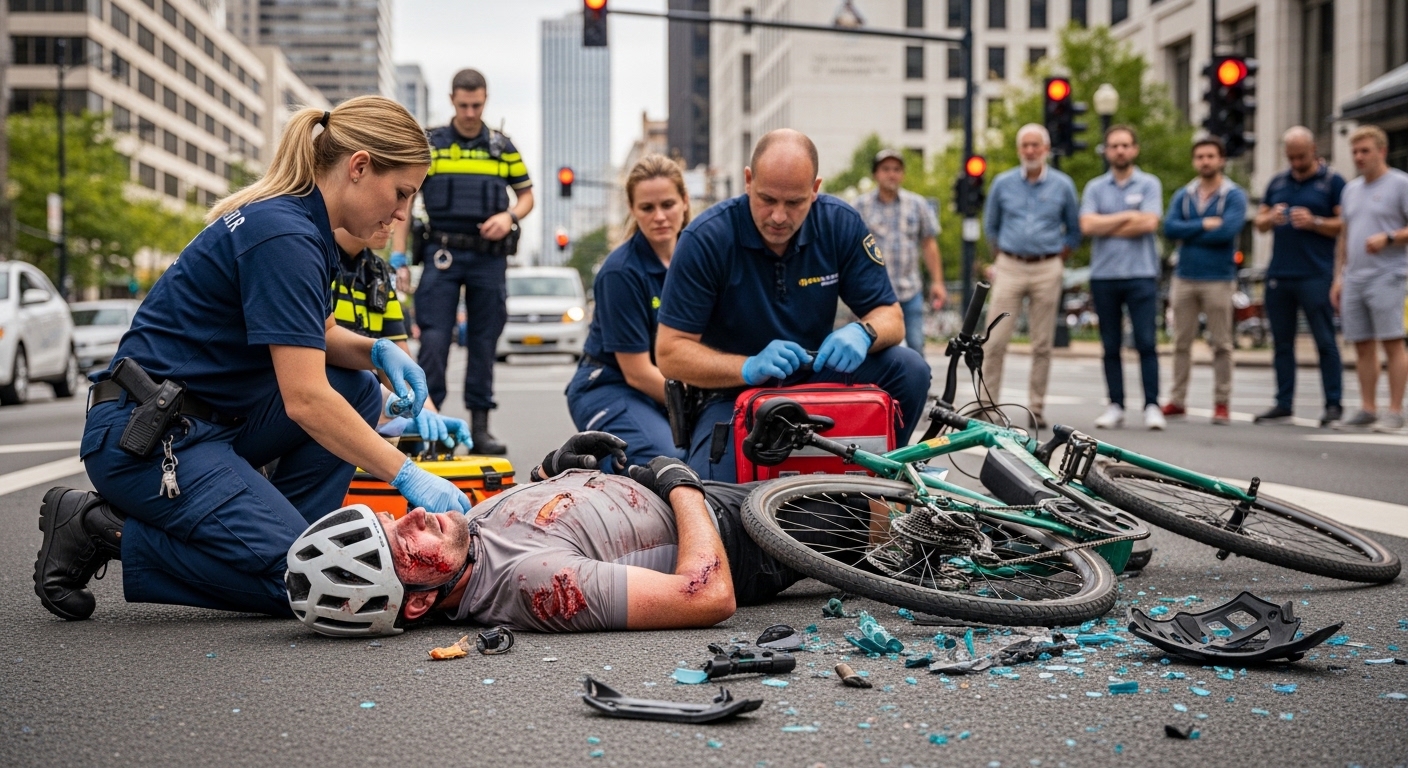
What Are E‑Scooter and E‑Bike Accidents?
E‑scooter and e‑bike accidents are collisions or falls involving electrically powered scooters and bicycles. They can occur in a variety of situations — from rider error to collisions with vehicles or pedestrians — and often result in serious injury. Although these devices travel at lower speeds compared to cars, they lack the structural protection of motor vehicles, which can lead to severe harm upon impact. According to recent research, e‑scooter injury patterns show that head and upper body trauma are most common.
Common Injury Types Seen in E‑Scooter and E‑Bike Accidents
Research shows that riders involved in e‑scooter accidents most often suffer injuries to the head, face, and upper extremities. Falls are the most frequent accident mechanism, followed by collisions with stationary objects. These injury patterns are similar to traditional bike crashes, but the severity may be heightened due to speed and lack of protective gear.
- Head injuries: Concussions, skull fractures, traumatic brain injuries
- Upper body trauma: Broken arms, wrist fractures, shoulder injuries
- Lower limb injuries: Knee injuries, sprains, ankle fractures
- Abrasions and road rash: Common with high‑speed falls or skids

Why E‑Scooter & E‑Bike Claims Are More Complex
Unlike vehicle accidents, e‑scooter or e‑bike claims can involve multiple responsible parties and unclear insurance coverage. Depending on the situation, liability might be shared among:
- The rider (due to negligence or reckless behavior)
- Vehicle manufacturers (e.g., defect in brakes or electronics)
- Municipalities for unsafe road or bike lane conditions
- Other motor vehicle drivers
This can make establishing fault — and therefore compensation — more complicated than a straightforward crash case. Legal experts advise consulting attorneys experienced with e‑scooter and e‑bike accident claims for proper guidance.
Insurance Coverage Challenges
Standard personal auto policies may not always cover e‑scooter or e‑bike injuries. Some jurisdictions still lack specific laws governing electric micro‑mobility claims, meaning victims may need to depend on personal health insurance or pursue claims against multiple entities. Celebrities and mainstream legal commentators increasingly caution attorneys to consider products liability, premises liability, and municipal negligence claims alongside traditional negligent driving claims.
How to Document an E‑Scooter or E‑Bike Injury for Your Claim
Successful personal injury claims depend on thorough documentation of the accident and injuries. Victims should consider:
- Taking clear photos of the accident scene
- Seeking immediate medical evaluation
- Retaining all medical bills and reports
- Collecting witness statements if possible
- Preserving the device for expert inspection
These steps not only strengthen your case but provide critical legal evidence for negotiating with insurance companies.
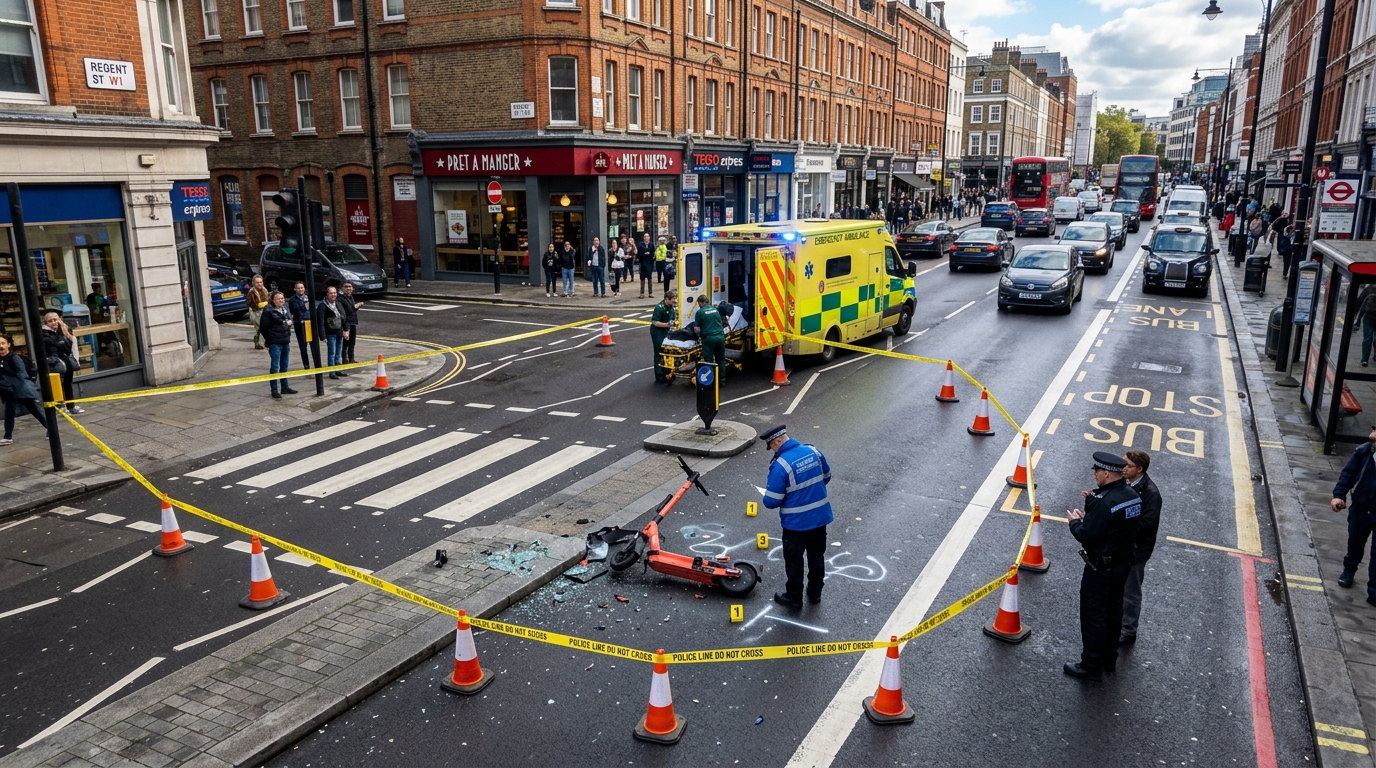
Comparing E‑Scooter & E‑Bike Claims to Traditional Accidents
Unlike car accidents, micro‑mobility claims often lack standardized reporting requirements. This means attorneys must lean more heavily on alternative documentation like mobile app records, service terms from ride‑share companies, and surveillance footage to establish fault and damages. Additionally, the rise in e‑vehicle usage can sometimes shift legal strategies toward product liability and municipal negligence, where design defects or dangerous street layouts play a key role. For context, traditional car accident claims usually follow more standardized insurance protocols, making micro‑mobility cases uniquely challenging.
Preventing Future E‑Scooter & E‑Bike Injuries
As cities adapt to the rise in micro‑mobility transportation, awareness and safety education are vital. Riders and pedestrians alike should understand local traffic laws, wear appropriate protective gear, and ride in designated lanes whenever possible.
Lawmakers and urban planners are responding by introducing new safety regulations and infrastructure changes aimed at mitigating these types of accidents — signaling that trend lines for micro‑mobility personal injury cases are likely to rise even further in the next few years.
Conclusion
E‑scooter and e‑bike accidents represent one of the fastest‑growing injury categories in personal injury practice for 2026 and beyond. From unique injury patterns to complex liability issues and evolving insurance challenges, these cases require specialized legal knowledge and proactive documentation by victims. By understanding the trends and legal nuances, injury victims and attorneys can better navigate this emerging area of personal injury law.
For more insights on accident types, see our detailed guides on car accident injury claims and slip and fall accidents.