

How AI-Powered Personal Injury Claims Are Changing Legal Basics in 2026
How AI-Powered Personal Injury Claims Are Changing Legal Basics in 2026
Personal injury law is evolving rapidly in 2026, and one of the biggest drivers of change is artificial intelligence (AI). From automated claims processing to AI-generated evidence analysis, technology is reshaping how personal injury cases are filed, evaluated, and resolved.
If you’re new to personal injury basics, you may want to start with our Personal Injury Knowledge Center to understand foundational concepts.

What Are AI-Powered Personal Injury Claims?
AI-powered personal injury claims involve the use of machine learning, data analytics, and automation tools to assist in evaluating and processing injury cases.
Key Functions of AI in Injury Claims
- Analyze accident reports
- Review medical records
- Estimate claim value
- Detect fraud
Why AI Is Becoming Common in Personal Injury Cases
Faster Claims Processing
Insurance companies use AI to reduce delays. What used to take weeks can now happen in hours.
Cost Reduction for Insurance Companies
Automation reduces administrative costs, allowing companies to handle more claims efficiently.
Data-Driven Decision Making
AI systems rely on historical data to predict outcomes, making decisions more consistent—but sometimes overly rigid.
Learn more about traditional claims in our guide:
Understanding Personal Injury Basics.
Legal Challenges of AI in Personal Injury Claims
Bias in AI Algorithms
AI systems are only as good as the data they are trained on. If the data contains bias, outcomes may unfairly disadvantage claimants.
Lack of Transparency in AI Decisions
Many AI tools operate as “black boxes,” making it difficult to understand how decisions are made.
Reduced Human Oversight
Automated systems may overlook unique aspects of a case that a human evaluator would consider.
For more legal insights, visit
American Bar Association.
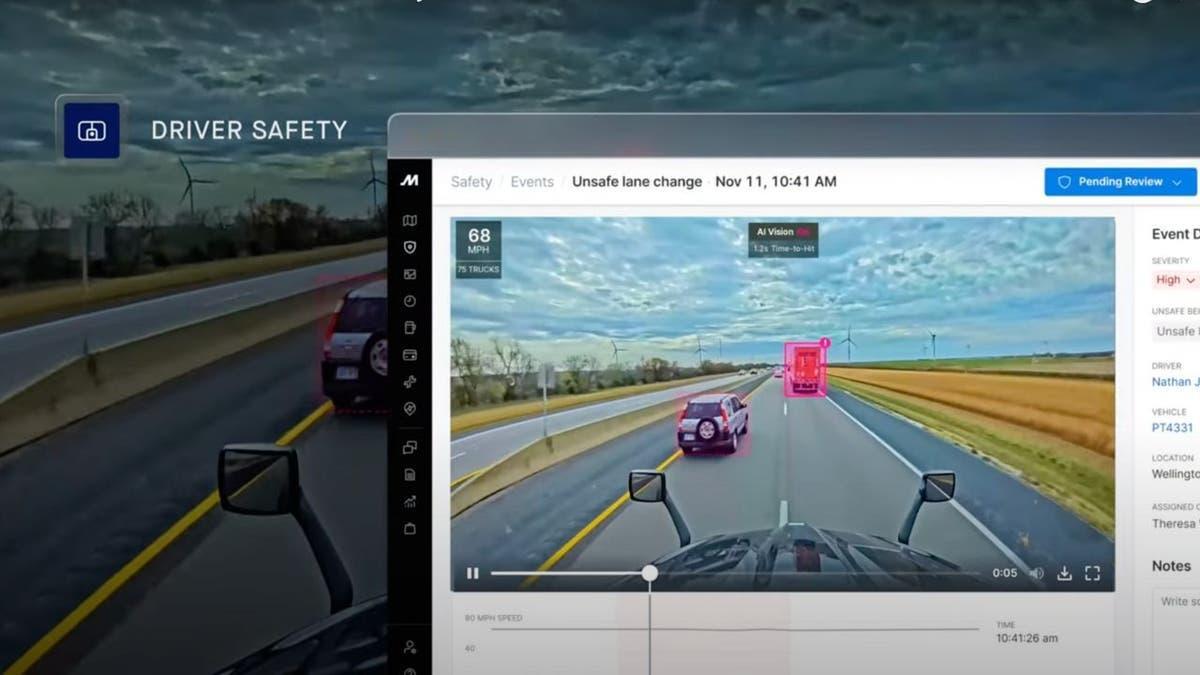
AI and Liability in Personal Injury Cases
One of the biggest questions in 2026 is liability when AI is involved in accidents.
Who Is Responsible in AI-Related Accidents?
- Self-driving car accidents: driver vs manufacturer
- AI claim errors: insurer vs software provider
Shared Liability in Modern Injury Cases
Responsibility may now be shared among multiple parties:
- Manufacturers
- Software developers
- Vehicle owners
How AI Affects Personal Injury Compensation
Automated Claim Valuation
AI calculates compensation based on past data, which may standardize payouts but reduce flexibility.
Risks of Undervaluation
- Ignores emotional distress
- Overlooks long-term injuries
- Misses unique case factors
How to Protect Yourself in AI-Driven Injury Claims
Document All Evidence
Keep detailed records of injuries, treatments, and expenses.
Request a Human Review
Always ask for a manual evaluation if AI is used in your claim.
Consult a Personal Injury Lawyer
Legal experts can challenge unfair AI-generated outcomes.
Stay Updated on Legal Changes
AI laws are evolving quickly, so staying informed is essential.

The Future of AI in Personal Injury Law
Increased Use of Legal Technology
AI will continue to streamline claims but may require stricter regulations.
Balancing Efficiency and Fairness
The challenge moving forward is ensuring that speed does not compromise justice.
Conclusion
AI-powered personal injury claims are becoming the new normal in 2026. While they offer efficiency, they also introduce risks that every claimant should understand.
By staying informed and proactive, you can ensure that technology works in your favor—not against you.
Explore more legal basics here:
Personal Injury Knowledge Center.