

How to File a Personal Injury Claim
What Does It Mean to File a Personal Injury Claim?
Filing a personal injury claim is the legal process of seeking compensation after being injured due to someone else’s negligence. This process allows injured individuals to recover damages for medical expenses, lost income, and pain and suffering.
Personal injury claims are typically filed against insurance companies rather than directly against individuals, although lawsuits may be necessary if settlement efforts fail.
When You Should File a Claim
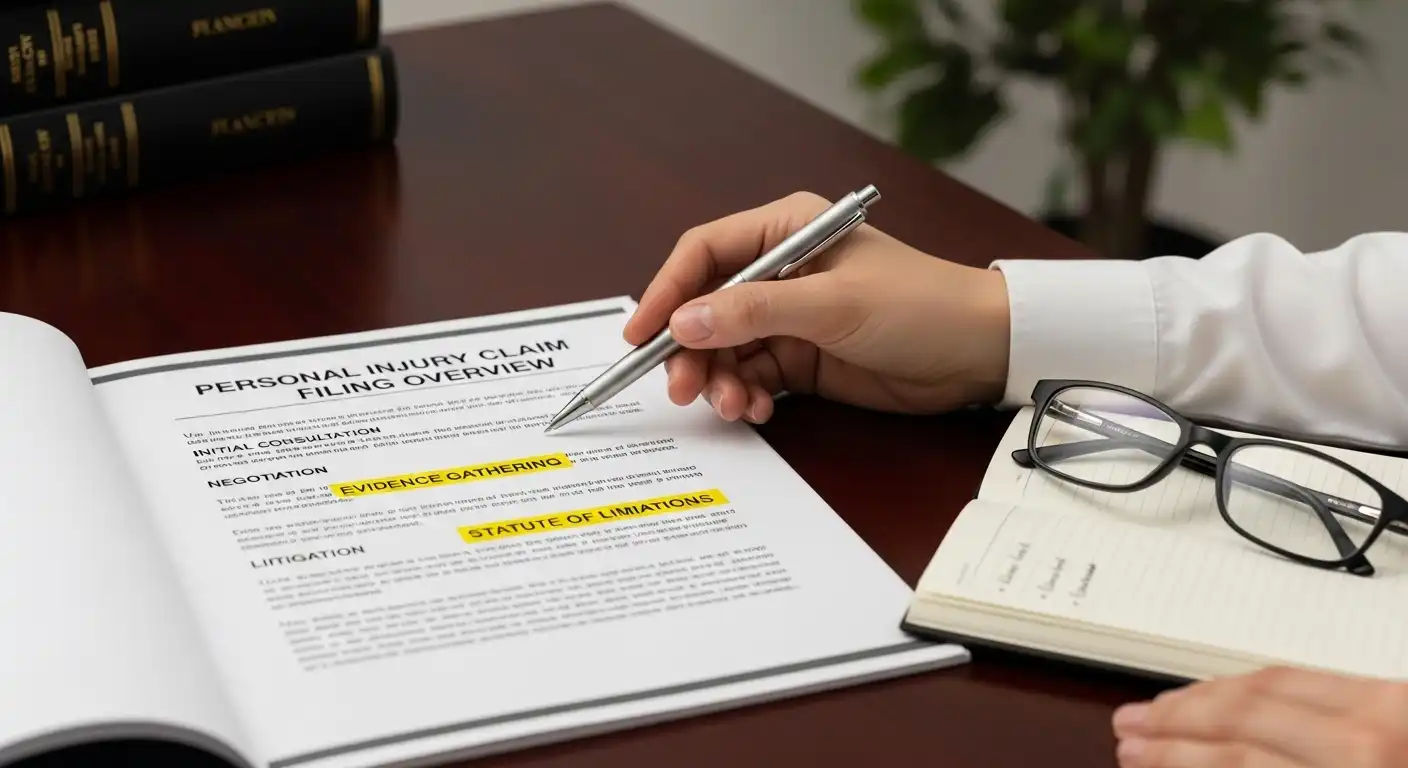
You should consider filing a personal injury claim if your injuries required medical treatment, caused missed work, or resulted in long-term physical or emotional effects.
Why Timing Matters
Delays can weaken your claim and may even result in losing your right to compensation due to statute of limitations laws.
Step 1: Seek Medical Treatment and Documentation
Medical treatment is the foundation of any personal injury claim. Seeking care immediately protects your health and creates official records linking your injuries to the accident.
Medical documentation helps establish the severity of injuries and the cost of treatment.
What Medical Records Should Include
- Emergency room reports
- Doctor diagnoses
- Treatment plans
- Prescriptions and therapy records
Step 2: Gather Evidence and Information
Strong evidence is essential for proving negligence and damages in a personal injury claim.
Types of Evidence to Collect
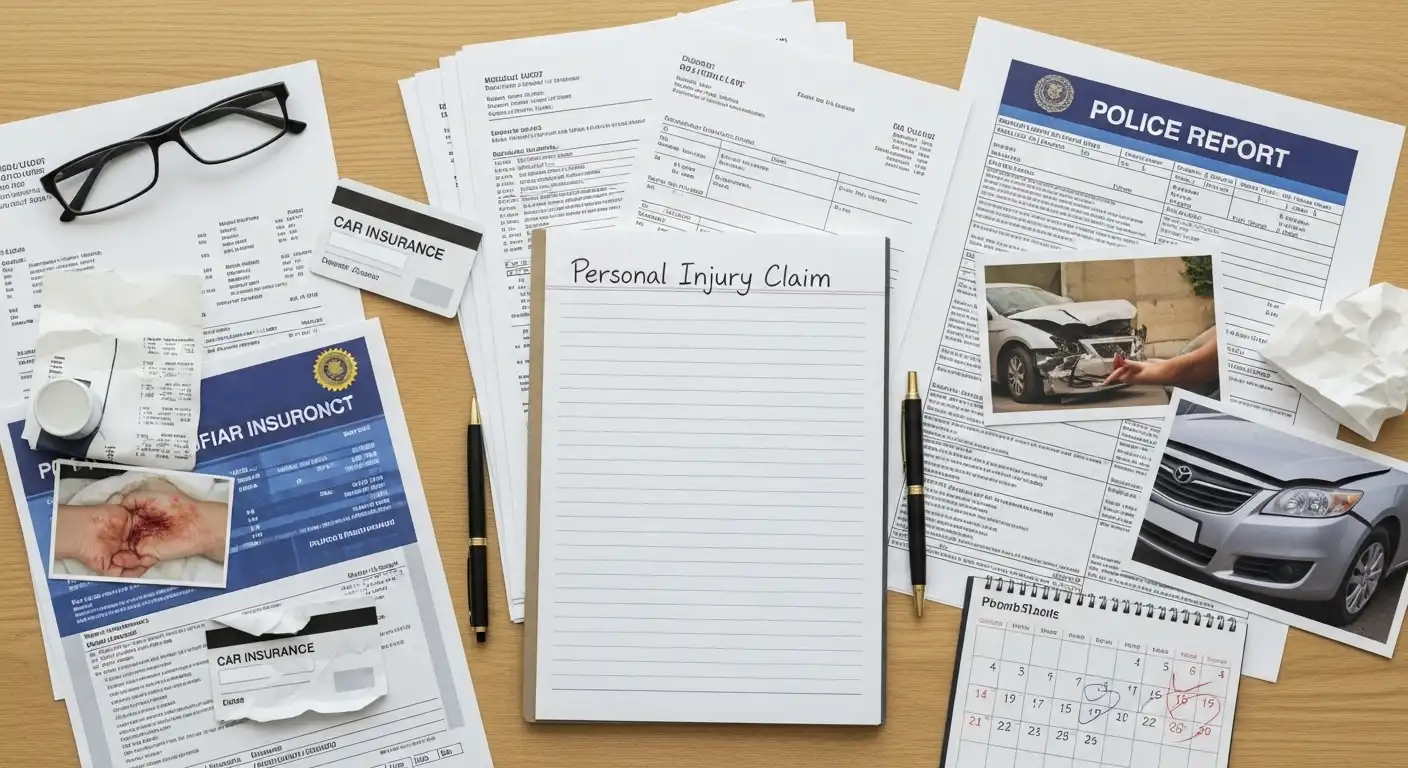
- Photos and videos of the accident scene
- Witness statements and contact details
- Police or incident reports
- Medical bills and receipts
- Employment records showing lost wages
Preserving Evidence
Accident scenes may change quickly, so collecting evidence as soon as possible is critical.
For an overview of how claims work, read how personal injury claims work.
Step 3: Notify the Insurance Company
After gathering initial evidence, the next step is notifying the at-fault party’s insurance company. This formally begins the claims process.
Be cautious when communicating with insurers, as statements may be used to reduce or deny your claim.
What to Avoid Saying
Avoid admitting fault or downplaying injuries before fully understanding the extent of your damages.
Step 4: Submit a Demand Letter
A demand letter outlines the details of your injury, supporting evidence, and the compensation requested. This document initiates settlement negotiations.
Demand letters often include medical expenses, lost income, and non-economic damages such as pain and suffering.
Negotiation Process
Insurance companies may respond with a counteroffer. Negotiations may go back and forth before reaching an agreement.
Step 5: Settlement or Lawsuit
If a fair settlement cannot be reached, filing a lawsuit may be necessary. Litigation includes discovery, depositions, and possibly a trial.

How Long Does Filing a Claim Take?
The timeline varies depending on injury severity and liability disputes. Some claims resolve in months, while others may take years.
Statute of Limitations
Every state has a deadline for filing personal injury claims. Missing this deadline may permanently bar recovery.
According to Nolo Legal Encyclopedia, statutes of limitations typically range from one to four years.
When to Hire a Personal Injury Lawyer
Hiring a lawyer is strongly recommended for serious injuries, disputed fault, or complex insurance negotiations.
Legal representation often leads to higher settlements and reduced stress during recovery.
Final Thoughts
Knowing how to file a personal injury claim empowers accident victims to take action confidently. Proper documentation, timely action, and informed decisions significantly improve outcomes.
This article is part of our Personal Injury Knowledge Hub.