

How Personal Injury Claims Work: Step-by-Step Process
Understanding the Personal Injury Claims Process
The personal injury claims process is the legal path an injured person follows to seek compensation after being harmed due to someone else’s negligence. While every case is different, most claims follow a similar step-by-step structure.
This guide explains how personal injury claims work from start to finish, helping you understand what to expect and how to protect your rights.
Step 1: Seek Medical Attention
The first and most important step after an accident is getting medical treatment. Even if injuries seem minor, a medical evaluation creates official documentation that links your injuries to the accident.
Medical records serve as critical evidence in personal injury claims and help determine the value of compensation.
Why Medical Records Matter
Insurance companies often challenge claims without prompt treatment. Delays may be used to argue that injuries were not serious or unrelated to the incident.
Step 2: Document the Accident and Injuries
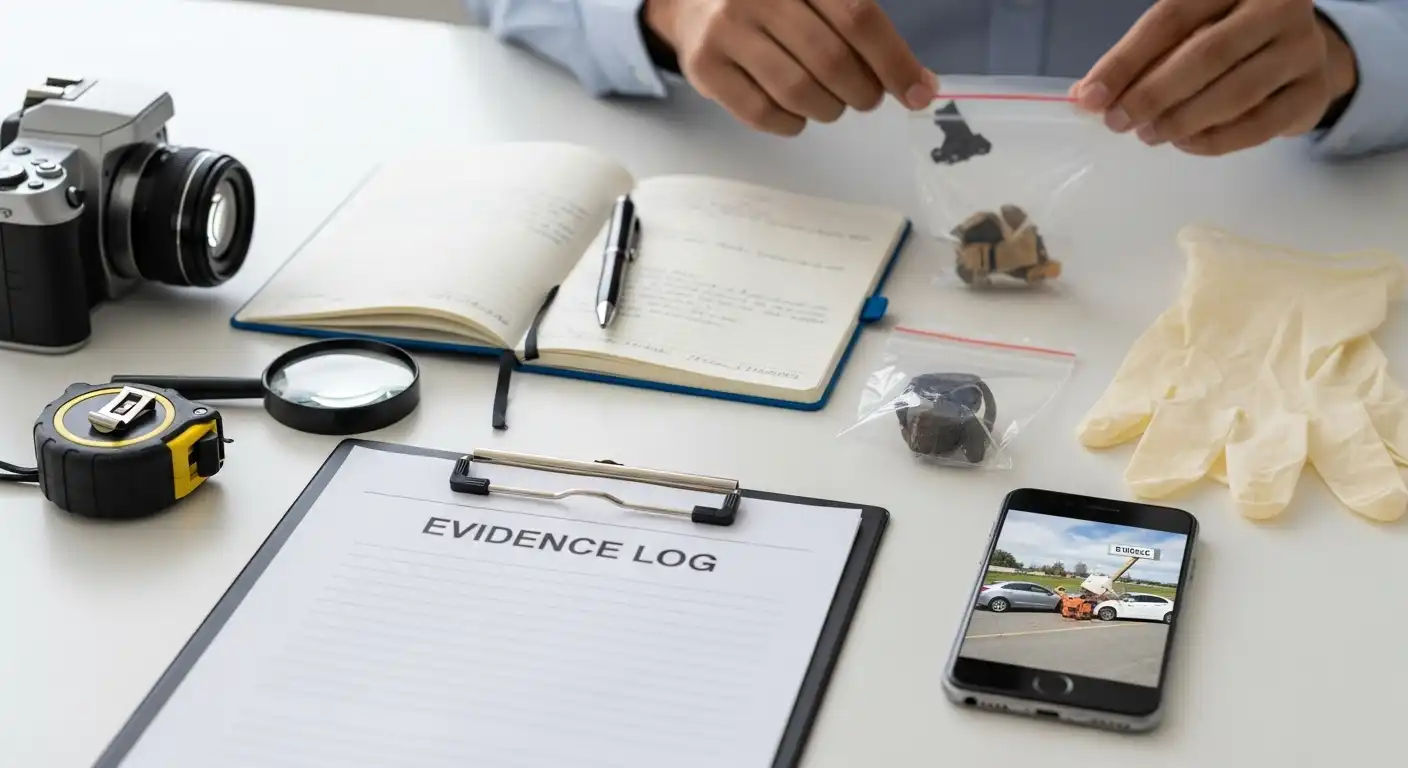
Strong documentation significantly increases the success of a personal injury claim. Evidence should be gathered as soon as possible.
- Photos and videos of the accident scene
- Witness contact information
- Police or incident reports
- Medical bills and treatment records
For accident-specific guidance, visit our internal article on what personal injury law is.
Step 3: Filing the Insurance Claim
Most personal injury claims begin with filing a claim against the at-fault party’s insurance company. This notification informs the insurer that you are seeking compensation.
At this stage, it is important to avoid recorded statements without legal advice, as insurers may attempt to minimize payouts.
Insurance Company Investigation
The insurance company will review evidence, interview witnesses, and assess liability. Their goal is to reduce financial exposure, not to maximize your compensation.
Step 4: Demand Letter and Negotiation
Once medical treatment stabilizes, a demand letter is sent outlining injuries, damages, and the compensation requested. This letter begins settlement negotiations.
Most personal injury cases resolve at this stage without going to court.

Step 5: Settlement or Lawsuit
If a fair settlement cannot be reached, filing a lawsuit may be necessary. Litigation involves discovery, depositions, and possibly a trial.
According to the Nolo Legal Encyclopedia, fewer than 5% of personal injury cases go to trial, as settlements are often more efficient for both parties.
How Long Does the Process Take?
The personal injury claims process can take anywhere from a few months to several years, depending on injury severity, liability disputes, and court schedules.
Compensation You May Receive
Successful personal injury claims may result in compensation for:
- Medical expenses
- Lost wages and reduced earning capacity
- Pain and suffering
- Emotional distress
Learn more in our guide on types of compensation in personal injury cases.
When to Hire a Personal Injury Lawyer
Hiring a lawyer is highly recommended for serious injuries, disputed liability, or complex insurance negotiations. Legal representation often leads to higher settlements and reduced stress.
Final Thoughts
Understanding the personal injury claims process empowers accident victims to make informed decisions. Knowing each step helps protect your rights and improves the likelihood of fair compensation.
This article is part of our Personal Injury Knowledge Hub.