
Car Accident Injury Claims Explained
What Are Car Accident Injury Claims?
Car accident injury claims are legal actions taken by individuals who have been injured in a motor vehicle accident caused by another party’s negligence. These claims allow victims to seek compensation for medical expenses, lost income, property damage, and pain and suffering.
Car accidents are one of the most common causes of personal injury claims, and understanding how these claims work is essential for protecting your legal rights.
Common Causes of Car Accidents
Most car accidents occur due to negligent or reckless behavior. Establishing fault is a critical part of any car accident injury claim.
- Distracted driving
- Speeding
- Driving under the influence
- Running red lights or stop signs
- Fatigued driving
Determining Fault
Fault is determined by analyzing police reports, traffic laws, witness statements, and physical evidence. In some cases, fault may be shared between multiple parties.
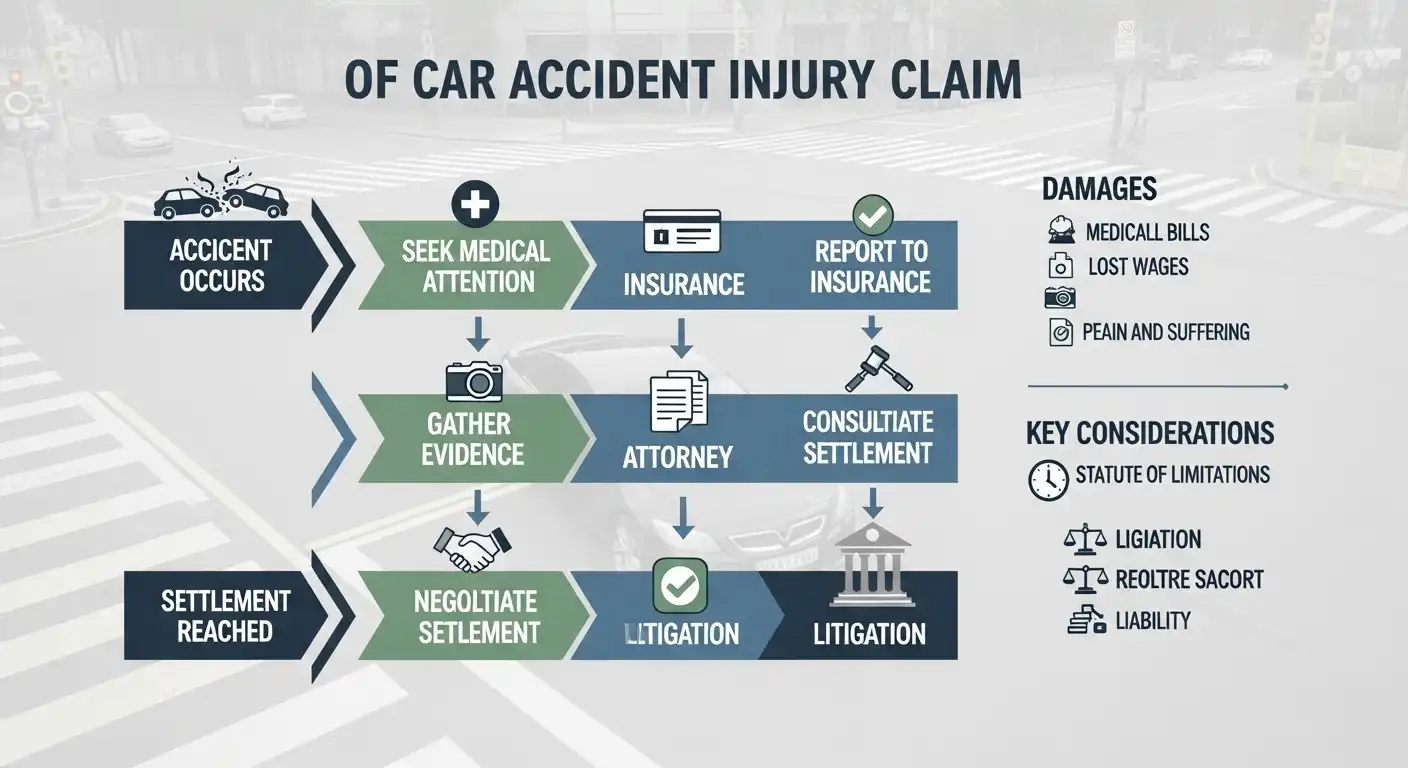
Steps to Take After a Car Accident
What you do immediately after a car accident can significantly impact your injury claim.
- Seek medical attention immediately
- Call law enforcement and file a report
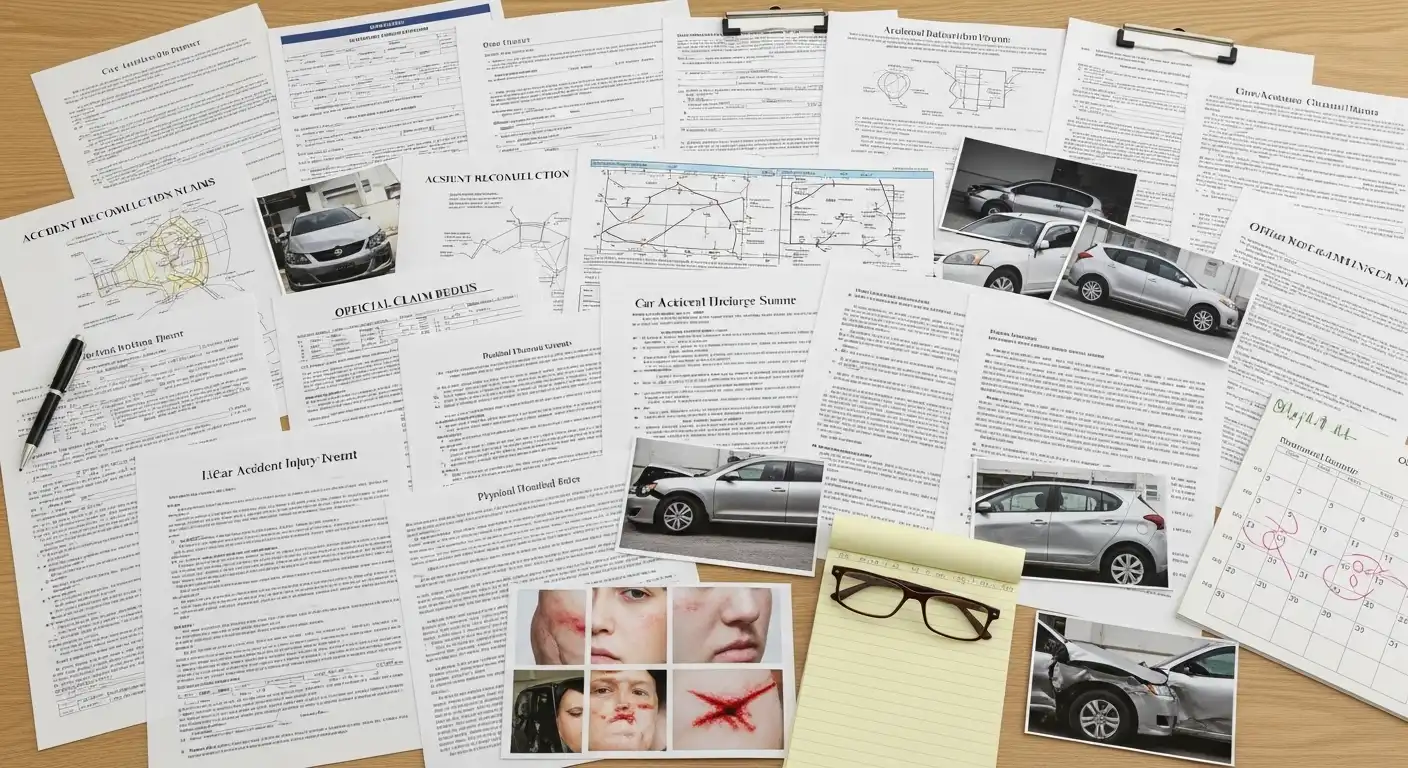
- Document the accident scene with photos
- Exchange information with other drivers
- Notify your insurance company
For a broader legal overview, read our guide on how personal injury claims work.
Dealing With Insurance Companies
Insurance companies play a central role in car accident injury claims. Their primary goal is to minimize payouts, which may lead to low settlement offers.
You are not required to accept the first offer, and you should avoid giving recorded statements without understanding your rights.
Comparative Negligence Rules
Many states follow comparative negligence laws, meaning compensation may be reduced if you are partially at fault. Even if you share responsibility, you may still recover damages.
Compensation Available in Car Accident Injury Claims
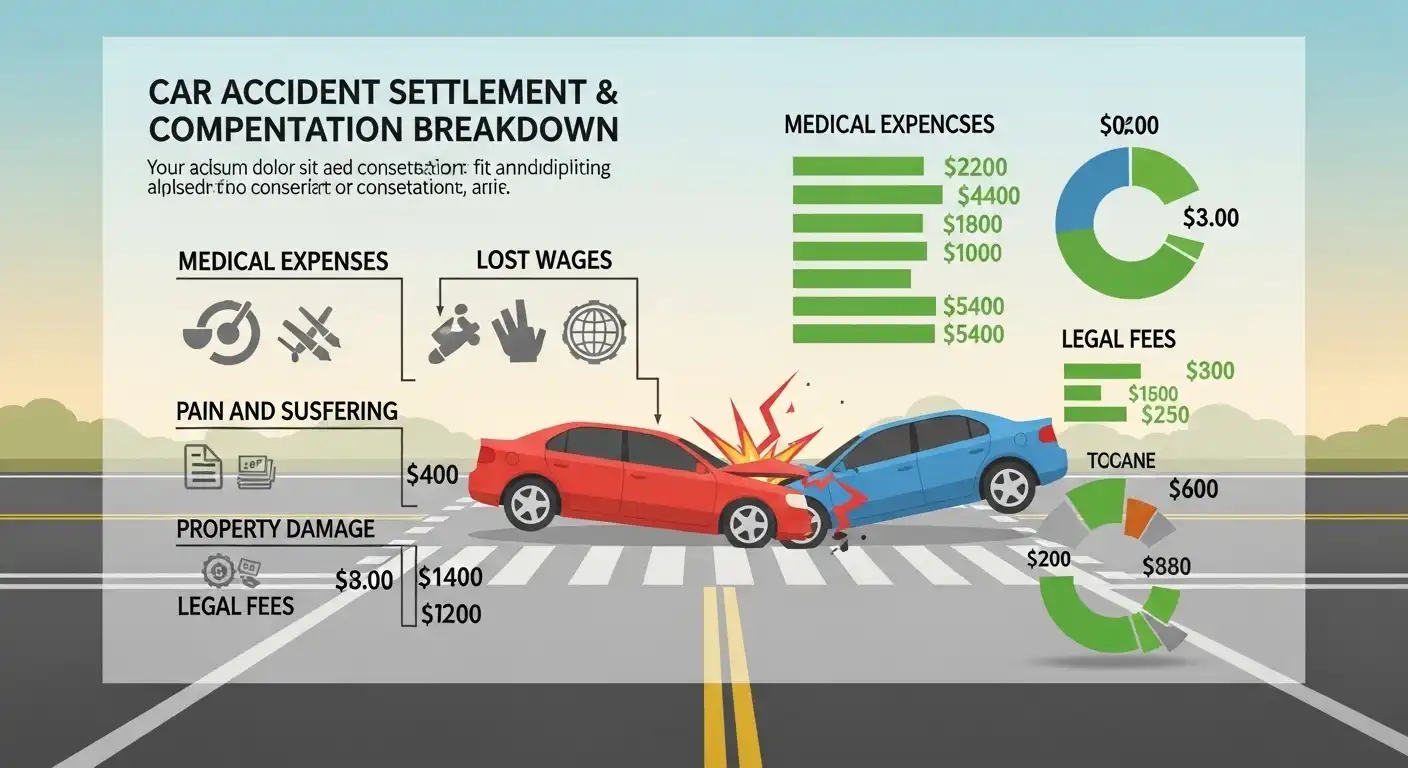
Compensation varies depending on the severity of injuries and the impact on your life. Common damages include:
- Emergency and ongoing medical treatment
- Lost wages and future earning capacity
- Vehicle repair or replacement
- Pain and suffering
- Emotional distress
For a detailed breakdown, visit our article on types of compensation in personal injury cases.
When to Hire a Car Accident Lawyer
Legal representation is highly recommended when injuries are severe, liability is disputed, or insurance companies refuse fair settlements.
According to the Insurance Information Institute, injury-related car accident claims are significantly more complex than property damage-only claims.
Final Thoughts
Car accident injury claims can be overwhelming, especially while recovering from injuries. Understanding the legal process, your rights, and available compensation helps you make informed decisions.
This article is part of our Personal Injury Knowledge Hub.