

How AI and Wearable Data Are Changing Personal Injury Damage Claims
How AI and Surveillance Footage Are Changing Personal Injury Damage Claims
Personal injury claims are no longer built solely on witness testimony and medical reports. In 2026, artificial intelligence (AI), CCTV footage, dashcams, and wearable devices are playing a major role in determining liability and compensation. These technologies are not only strengthening claims—but also reshaping how damages are calculated.

The Rise of AI in Personal Injury Cases
Artificial intelligence is now being used to analyze accident scenes, predict injury outcomes, and even reconstruct events with high accuracy. Insurance companies and legal teams are leveraging AI tools to:
- Analyze video evidence frame-by-frame
- Detect inconsistencies in statements
- Estimate the severity of impact and injuries
- Predict long-term medical costs
This shift means that claims supported by strong digital evidence often receive faster and more accurate compensation decisions.
Why This Matters for Your Compensation
The stronger your evidence, the higher your chances of receiving fair compensation. AI-backed analysis reduces guesswork and provides objective insights, which can significantly influence settlement amounts.
For example, if you’re pursuing damages for lost wages, AI tools can help calculate realistic projections based on your career path. Learn more about how lost wages are calculated in injury claims.
How Surveillance Footage Strengthens Claims
Video evidence has become one of the most powerful tools in personal injury cases. CCTV cameras, dashcams, and even smartphone recordings can provide clear proof of how an accident occurred.
Common sources of surveillance footage include:
- Traffic cameras
- Business security systems
- Residential CCTV
- Dashcams from other drivers
This type of evidence can eliminate disputes about fault and help ensure victims receive proper compensation.

Wearable Technology as Evidence
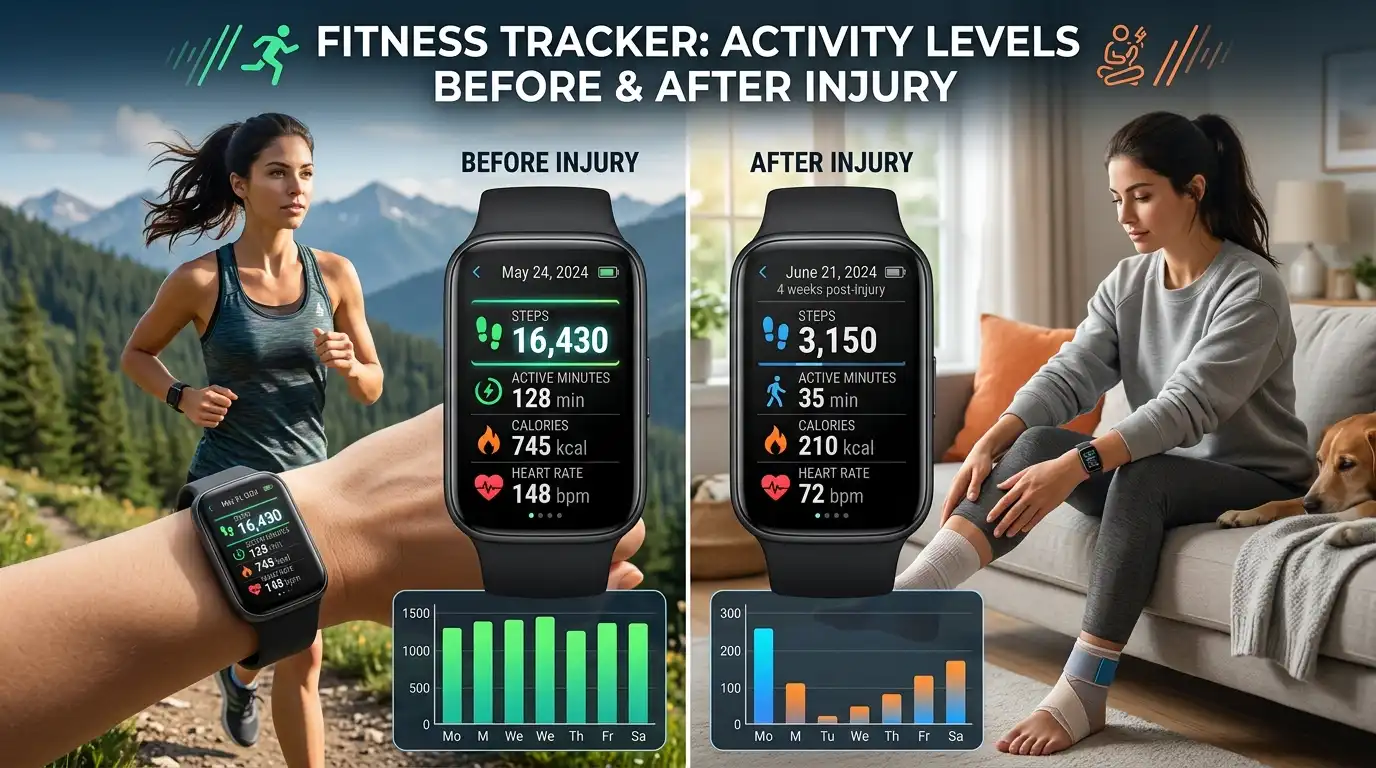
Devices like smartwatches and fitness trackers are now being used in personal injury claims. These devices can provide valuable data such as:
- Heart rate changes during the incident
- Physical activity levels before and after injury
- Sleep disruptions caused by pain
This data is especially useful when claiming non-economic damages like pain and suffering. If you’re unfamiliar with these damages, read more about pain and suffering compensation.
Real-World Impact
In recent cases, wearable data has helped prove that victims experienced a significant drop in physical activity after an accident—supporting claims for long-term impairment and emotional distress.
AI Accident Reconstruction
One of the most advanced uses of AI in personal injury law is accident reconstruction. AI systems can recreate accidents using data from multiple sources, including:
- Vehicle speed and impact points
- Road conditions
- Weather data
- Video footage
These reconstructions provide a visual and scientific explanation of what happened, making it easier for courts and insurers to understand the case.
External reference: National Highway Traffic Safety Administration
Challenges and Legal Considerations
While technology offers many benefits, it also raises legal questions. Not all AI-generated evidence is automatically accepted in court. Key concerns include:
- Data privacy issues
- Authenticity of digital evidence
- Potential bias in AI algorithms
Because of this, it’s important to work with a legal professional who understands how to properly present and challenge digital evidence.
Can AI Hurt Your Claim?
Yes. Just as AI can support your case, it can also be used against you. For example, surveillance footage might contradict your version of events. Insurance companies are increasingly using AI tools to minimize payouts.
How to Protect Your Claim
To maximize your compensation in the age of AI, consider the following steps:
- Collect all available digital evidence immediately
- Preserve footage before it gets deleted
- Document your injuries and recovery process
- Avoid posting on social media, as it may be analyzed
Understanding how compensation works is key. Visit our guide on personal injury damages and compensation for a full breakdown.
The Future of Personal Injury Claims
As technology continues to evolve, personal injury claims will become more data-driven. AI and surveillance tools are likely to play an even bigger role in determining liability and calculating damages.
For claimants, this means one thing: evidence is more important than ever.
Final Thoughts
AI and surveillance footage are transforming the legal landscape of personal injury claims. While these tools can strengthen your case, they also require careful handling and legal expertise.
Staying informed about these changes can help you better navigate your claim and secure the compensation you deserve.