

Can Social Media Hurt Your Personal Injury Case
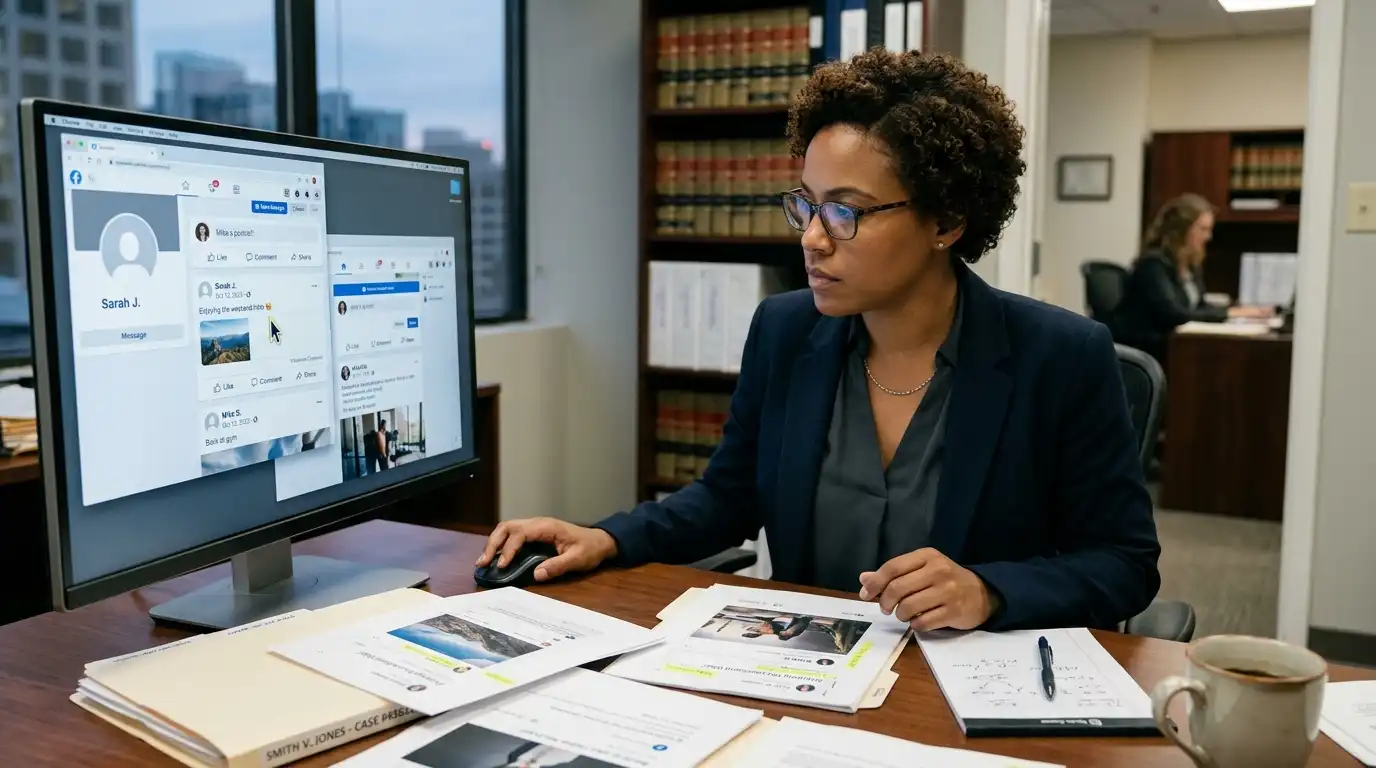
Social media has become part of everyday life, but online activity may also affect personal injury claims. Photos, comments, videos, and location check-ins may become part of legal investigations. Insurance companies and defense attorneys sometimes review social media accounts to look for information that may contradict injury claims.
Even seemingly harmless posts may be interpreted differently when viewed in the context of a legal dispute. Understanding how social media activity may influence a claim can help individuals make informed decisions during the legal process.
Why Social Media Is Reviewed During Claims
Insurance companies often investigate claims to evaluate damages and credibility. Public social media content may provide insight into a person’s activities, physical condition, and daily life after an accident.
Posts showing physical activity, travel, or social outings may be used to argue that injuries are less severe than claimed. In some cases, older posts may also be reviewed to compare pre-accident and post-accident conditions.
According to the American Bar Association, digital evidence continues to play a growing role in civil litigation and injury disputes.
Common Types of Social Media Evidence
- Photos and videos
- Status updates and captions
- Location check-ins
- Comments from friends or family
- Fitness or activity posts
- Livestreams and stories
Even deleted posts may sometimes remain accessible through screenshots or archived records.
How Online Activity May Affect Credibility
Consistency is often important in personal injury cases. If social media content appears inconsistent with medical records or statements, opposing parties may question the claim.
For example, a person reporting mobility limitations may face scrutiny if they post photos participating in physically demanding activities. Context matters, but isolated images may still be presented during negotiations or court proceedings.
Not every social media post automatically harms a claim. However, online content may be interpreted differently by insurance adjusters or defense attorneys.
You may also explore related topics in our guide to legal help and representation.
Private Accounts Are Not Always Fully Private
Many people assume private accounts completely protect their information. While privacy settings may limit visibility, courts may still allow certain content to be reviewed during legal proceedings.
Friends or followers may also share screenshots or repost content publicly. This means even limited-audience posts may eventually become part of a claim investigation.
Best Practices During an Ongoing Claim
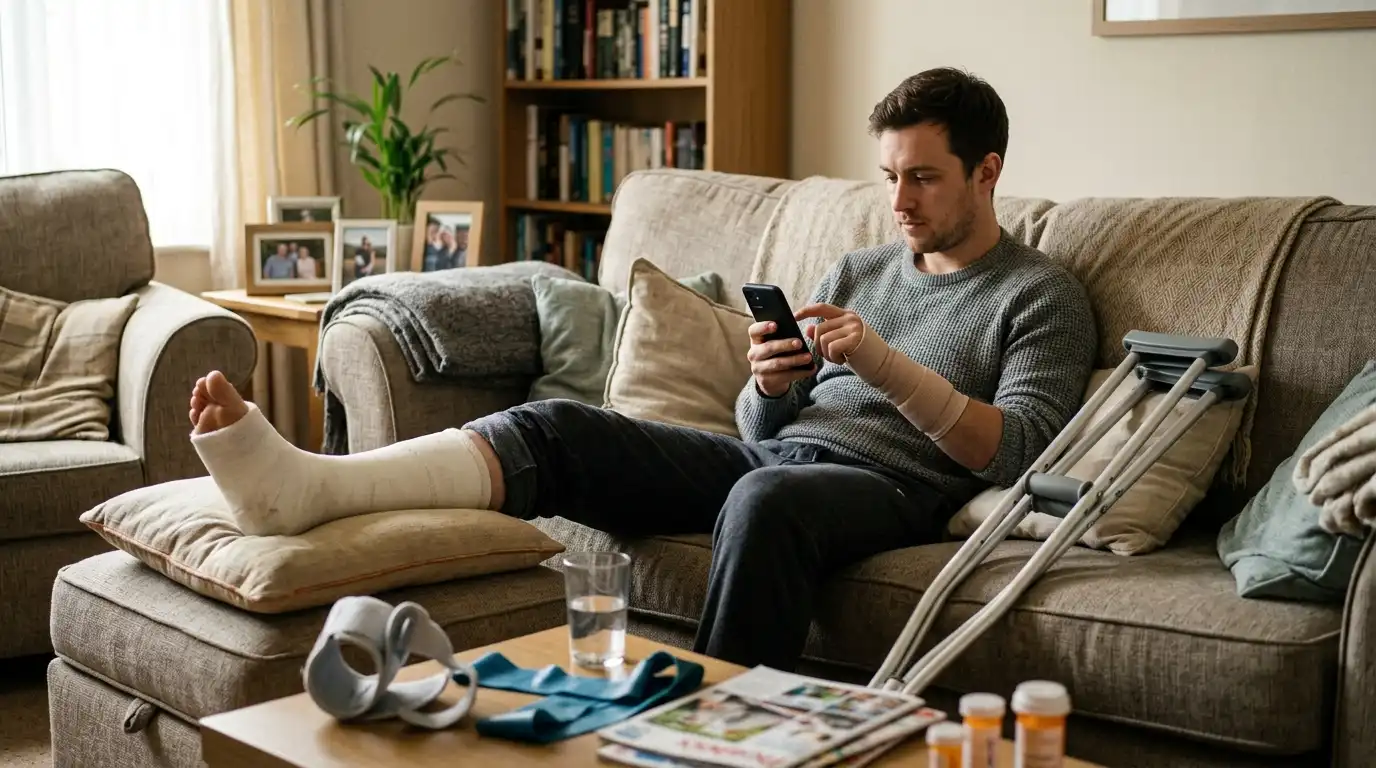
Some individuals choose to limit social media activity while a claim is ongoing. This may reduce misunderstandings or misinterpretations.
Examples of cautious online behavior may include:
- Avoiding discussions about the accident
- Limiting photo uploads
- Reviewing privacy settings
- Asking friends not to tag posts
- Avoiding arguments or emotional posts about the case
Clear communication with legal representatives may also help address concerns related to digital evidence.
The Growing Role of Digital Investigations
Technology continues to influence legal investigations. Social media, wearable devices, and digital records are becoming more common in personal injury cases.
External research from National Center for State Courts discusses how digital evidence is increasingly used in civil litigation and case preparation.

Understanding the Bigger Picture
Social media is only one part of a larger claim evaluation. Medical records, witness testimony, expert opinions, and documentation often remain central to personal injury cases.
Still, online activity may influence negotiations, credibility discussions, and evidence review. Understanding how digital content may be interpreted can help individuals approach social media more carefully while navigating a personal injury claim.