

Understanding Personal Injury Settlements
What Is a Personal Injury Settlement?
A personal injury settlement is an agreement between an injured person and the at-fault party or insurance company to resolve a claim without going to trial. In a settlement, the injured party agrees to accept a specific amount of compensation in exchange for releasing the other party from further liability.
Most personal injury cases end in settlement rather than litigation, making it one of the most common outcomes in injury claims.

Why Most Personal Injury Cases Settle
Settlements are often faster, less expensive, and more predictable than trials. Both sides avoid court costs and the uncertainty of a jury verdict.
Settlement vs Trial
Trials can take years and carry the risk of receiving less compensation or nothing at all. Settlements provide certainty and faster financial relief.
How the Personal Injury Settlement Process Works
The settlement process usually begins after medical treatment has stabilized and damages can be accurately calculated.
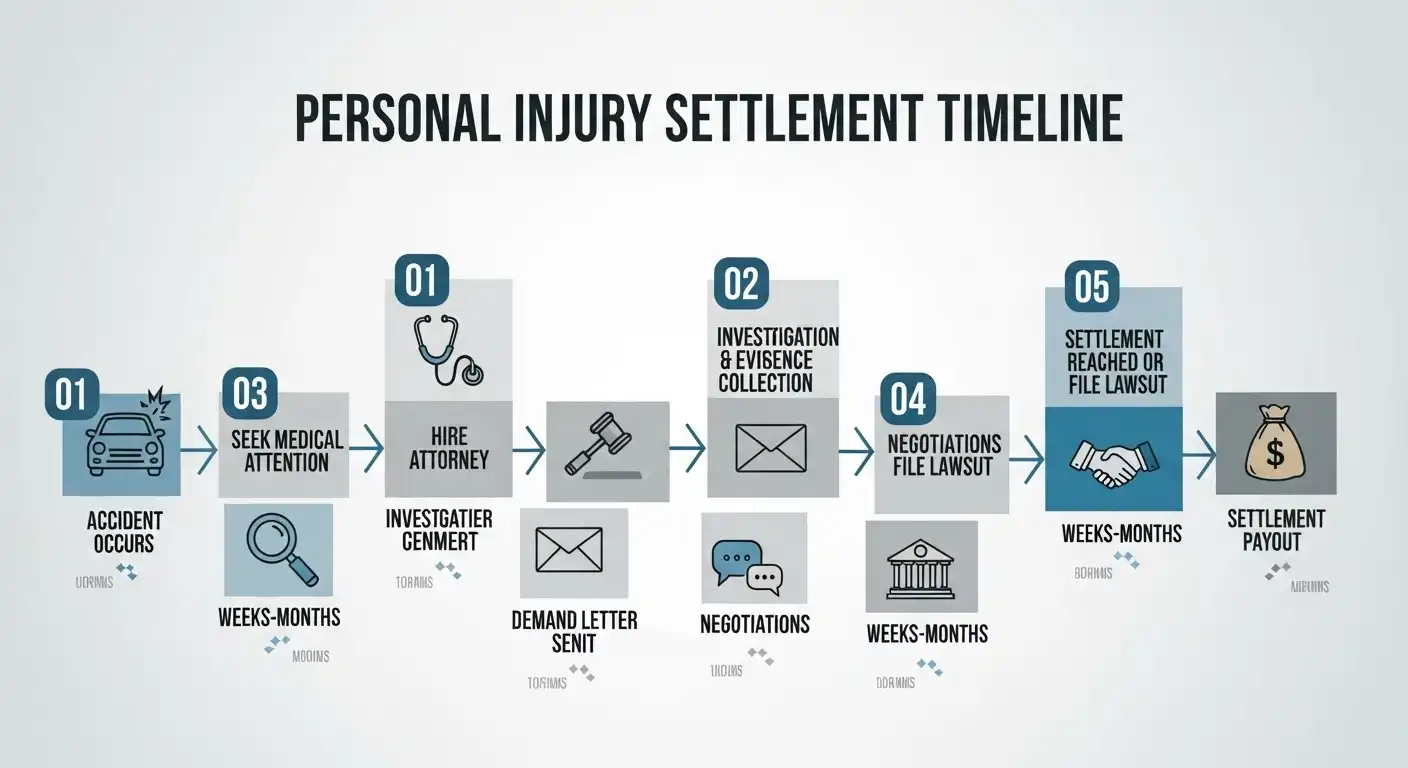
Settlement Negotiation Steps
- Investigation and evidence review
- Submission of a demand letter
- Insurance company response
- Negotiation and counteroffers
- Settlement agreement
Role of Insurance Adjusters
Insurance adjusters evaluate claims to minimize payouts. Their initial offers are often lower than the claim’s true value.
For a full claims overview, read how personal injury claims work.
What Factors Affect Personal Injury Settlement Amounts?
Settlement values vary widely depending on the facts of each case.
Key Factors That Influence Settlements
- Severity of injuries
- Medical treatment costs
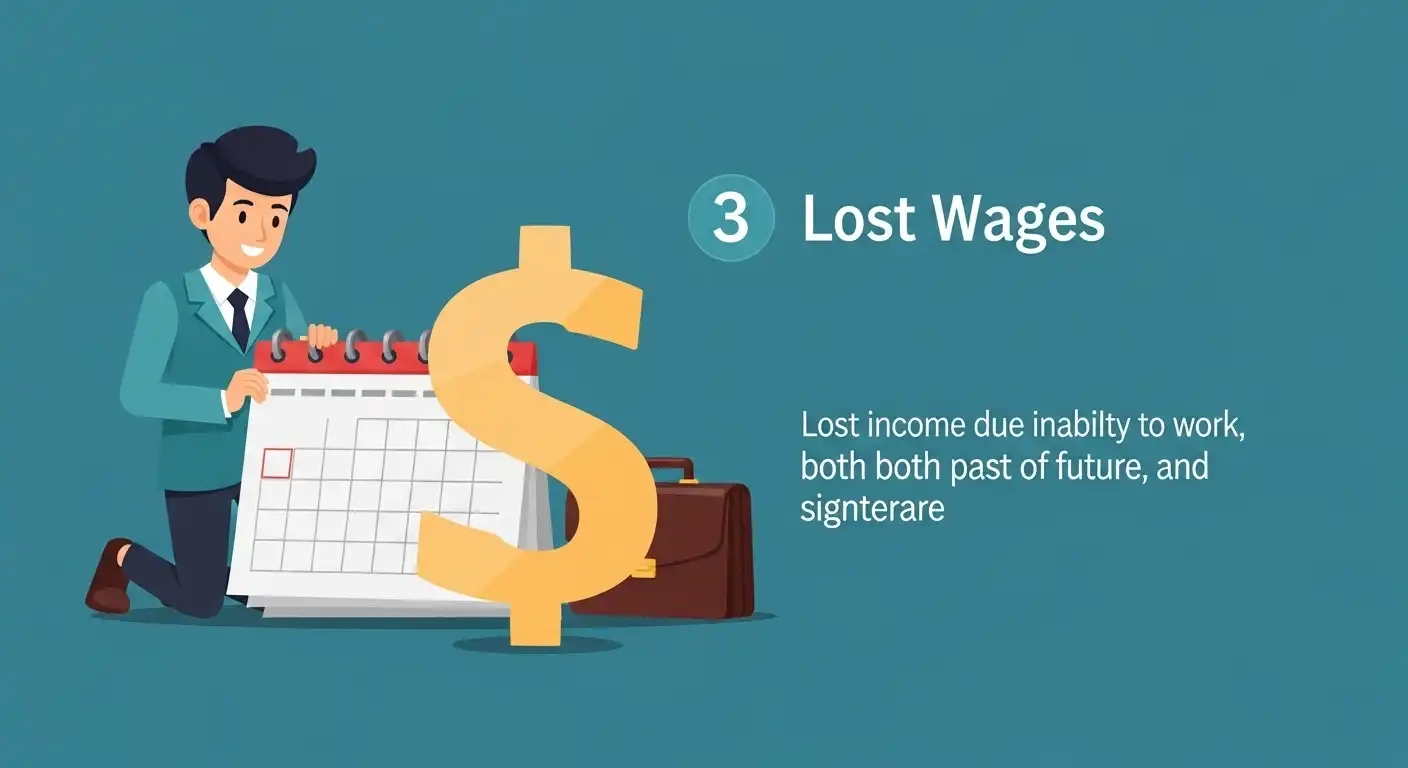
- Lost income and earning capacity
- Permanent disability or scarring
- Clear evidence of negligence
Pain and Suffering Considerations
Non-economic damages such as pain, emotional distress, and loss of enjoyment of life often play a major role in settlement negotiations.
How Long Do Personal Injury Settlements Take?
The timeline for reaching a settlement depends on injury severity, liability disputes, and insurance cooperation.
Typical Settlement Timeframes
- Minor injuries: 3–6 months
- Moderate injuries: 6–12 months
- Severe injuries: 12 months or longer
Why Settlements Can Be Delayed
Ongoing medical treatment, disputed fault, or incomplete documentation can slow the process.
Should You Accept the First Settlement Offer?
Insurance companies often make early settlement offers that are lower than fair compensation. Accepting too quickly may prevent recovery for future medical expenses.
Risks of Accepting a Low Settlement
Once a settlement is accepted, the claim is closed permanently. You cannot request additional compensation later.
For compensation details, visit types of compensation in personal injury cases.
When to Hire a Personal Injury Lawyer for Settlement Negotiations
Lawyers understand how to calculate claim value, negotiate effectively, and push back against unfair insurance tactics.
According to the American Bar Association, represented claimants often receive higher settlements than those negotiating alone.
Final Thoughts
Personal injury settlements provide a practical and efficient way to resolve injury claims. Understanding how settlements work helps you avoid costly mistakes and make informed decisions.
This article is part of our Personal Injury Knowledge Hub.