

What Actually Happens After You File a Personal Injury Claim
What Actually Happens After You File a Personal Injury Claim
Filing a personal injury claim is only the first step in a longer legal process. Many people are unsure about what comes next, how long it takes, or what actions may be required after submitting a claim. Understanding each stage can help reduce uncertainty and prepare you for what lies ahead.
The Initial Filing Stage
Once a personal injury claim is filed, the insurance company or responsible party is officially notified. This typically begins the investigation process. At this stage, basic information about the accident, injuries, and damages is reviewed.
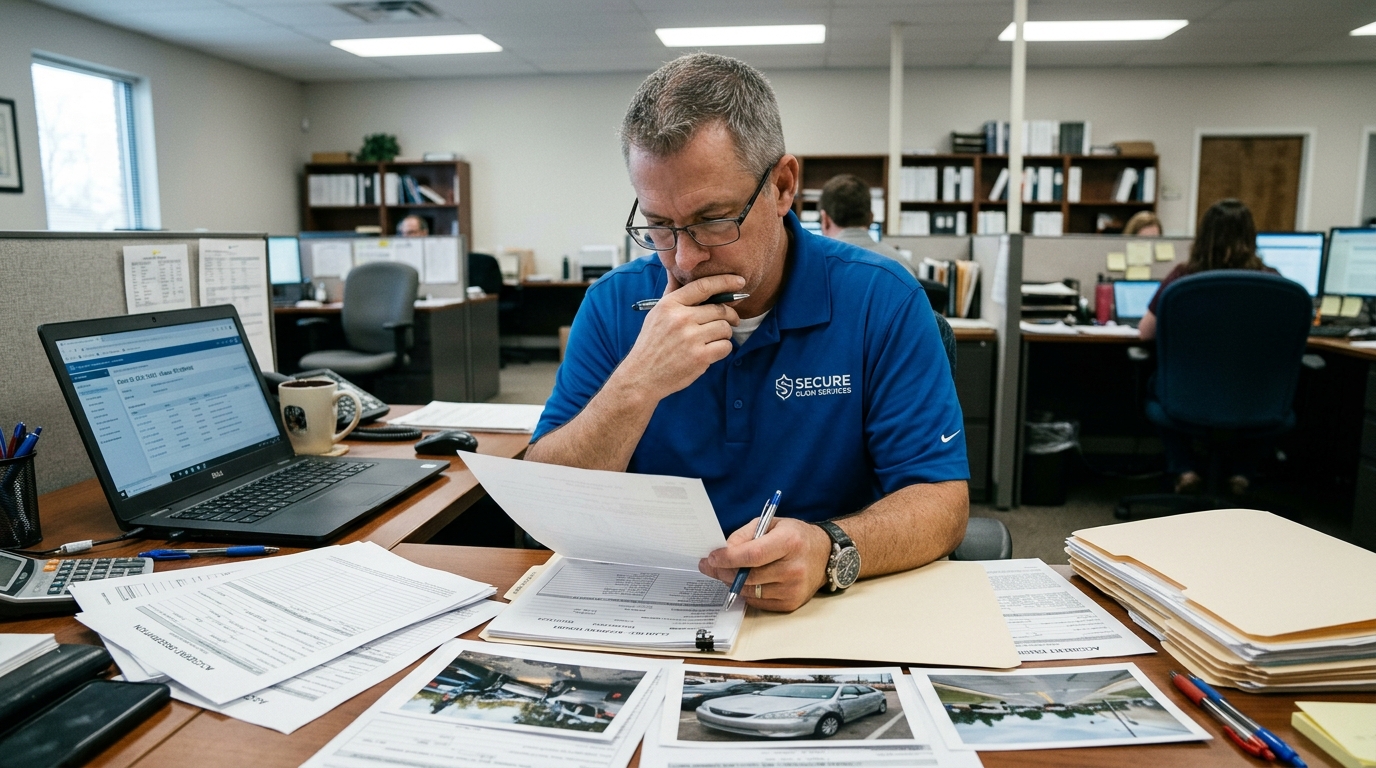
The insurer may request additional documentation such as medical records, photos, witness statements, and police reports. This helps them evaluate the validity of the claim and determine potential liability.
For more background on legal fundamentals, visit our personal injury basics resource.
What Happens Immediately After Filing
- Claim is assigned to an insurance adjuster
- Initial review of accident details begins
- Requests for evidence or documentation may be sent
- Liability investigation is opened
The Investigation Phase
During the investigation phase, both sides gather evidence. Insurance companies may analyze police reports, interview witnesses, and review medical treatment records.
This stage is important because it helps determine fault and the extent of damages. In some cases, accident reconstruction experts or medical professionals may be consulted.
The investigation may take weeks or months depending on the complexity of the case.
Common Types of Evidence Reviewed
- Police or accident reports
- Medical documentation
- Photos or video footage
- Witness statements
- Employment and wage records
According to Nolo legal resources, documentation quality often plays a major role in how claims are evaluated.

Settlement Negotiations Begin
After the investigation, the insurance company may offer a settlement. This is a proposed amount intended to resolve the claim without going to court.
Settlement offers may be accepted, rejected, or countered. Negotiations often occur between the injured party (or their attorney) and the insurance adjuster.
The first offer is not always the final or most accurate valuation of the claim. Many cases involve multiple rounds of negotiation.
Factors That Influence Settlement Value
- Severity of injuries
- Medical expenses and future treatment
- Lost wages and earning capacity
- Pain and suffering
- Strength of evidence
Learn more about damages in our guide on compensation and damages.
When a Case Moves to Litigation
If a fair settlement cannot be reached, the case may proceed to litigation. This means a lawsuit is formally filed in civil court.
Litigation includes additional steps such as discovery, depositions, motions, and potentially a trial. However, many cases still settle before reaching trial.
Legal representation often becomes more important during this stage due to procedural requirements and courtroom rules.
Possible Outcomes of a Personal Injury Claim
- Pre-trial settlement
- Mediation agreement
- Court verdict
- Dismissal of claim
Each case follows a different timeline depending on complexity, evidence, and willingness of both parties to negotiate.
Understanding the Full Process
From filing to resolution, a personal injury claim involves several structured stages. While timelines vary, understanding the process can help individuals feel more prepared and informed.
Whether resolved through settlement or court proceedings, each step plays a role in determining the final outcome of the claim.